

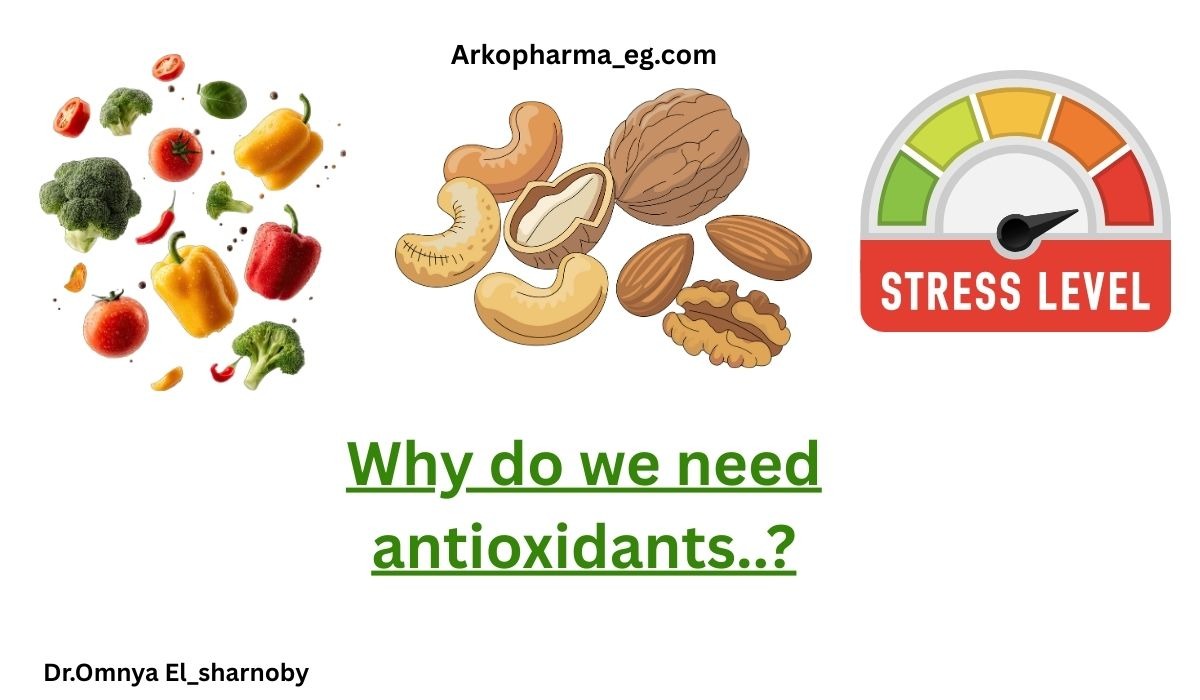
Why do we need antioxidants?
Antioxidants act like tiny “bodyguards” inside your body, protecting your cells from daily damage caused by free radicals. During normal life processes, the human body constantly produces unstable molecules called free radicals. These are formed when you breathe, produce energy in your cells, and activate the immune system, and they also come from external sources such as pollution, smoking, an unhealthy diet, and UV light.
What are antioxidants?
Antioxidants are natural substances that help neutralize free radicals before they damage your cells. They include vitamins (such as vitamin C, vitamin E, and vitamin A), minerals (like selenium and zinc), and various plant compounds, including polyphenols and carotenoids. In small amounts, free radicals are normal and even useful, but when they become too numerous, they start attacking cell membranes, proteins, and DNA. This creates a state called oxidative stress.
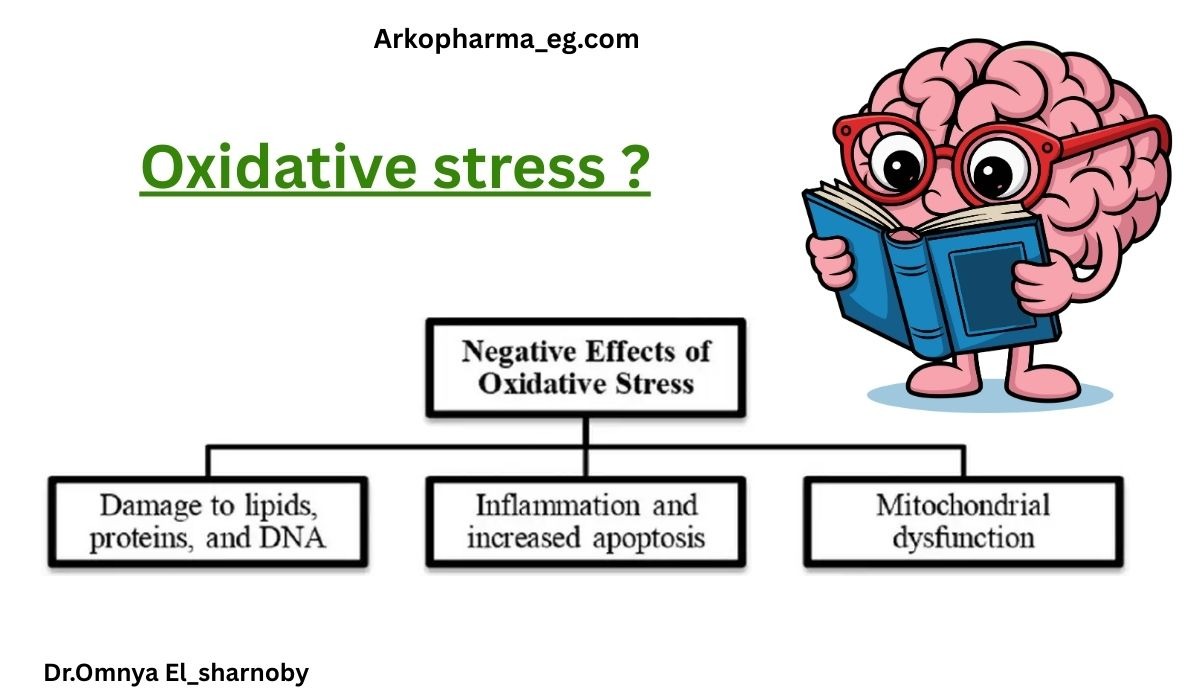
What is oxidative stress?
Oxidative stress is a state in which free radicals are produced in excess and disrupt the delicate balance between oxidants and antioxidants in the body. This ongoing damage can trigger inflammation and is linked to many chronic diseases, including heart disease, diabetes, some cancers, and neurodegenerative disorders. It also plays a role in aging and many age-related diseases, making antioxidants and a healthy lifestyle important for prevention and long-term health.
Should we take an antioxidant?
Yes – but for most people, antioxidants should come mainly from food, not pills.
- Best way: daily food
Safe, effective antioxidant intake comes mainly from whole plant foods, not from high‑dose supplements. A practical way to do this is to “eat the rainbow” and include nuts, seeds, and whole grains most days. For example:
- Fruits: berries, grapes, pomegranate, citrus, kiwi, mango.
- Vegetables: spinach, kale, broccoli, Brussels sprouts, carrots, sweet potato, beetroot, peppers, tomatoes.
- Nuts and seeds: walnuts, almonds, pecans, sunflower seeds, chia, flax.
- Whole grains and legumes: oats, barley, quinoa, buckwheat, lentils, beans.
- Healthy fats: extra‑virgin olive oil, avocado.
- Drinks: green or black tea, small amounts of coffee or cocoa with little sugar.
- Herbs and spices: turmeric, ginger, cinnamon, oregano, rosemary, cloves, cocoa.
This pattern gives your body a natural mix of antioxidants together with fiber, vitamins, minerals, and other protective compounds that work in harmony.
- Pills: only when really needed
Antioxidant supplements (such as vitamin C, vitamin E, beta‑carotene, and others) may be useful in specific situations, for example, when there is a proven deficiency or a clear medical indication. In these cases, they should be treated like medicines:
- Only when there is a clear reason.
- In the correct dose.
- Under medical supervision, especially if you take other medications or have a chronic disease.
Large clinical studies have not shown a clear benefit of high‑dose antioxidant pills for preventing major chronic diseases in the general population. In some groups, such as smokers taking high‑dose beta‑carotene, they may even increase certain risks. This is why supplements should never be used to replace a healthy, colorful diet, but only to correct specific deficiencies under medical guidance.
What practical daily habits boost the body’s antioxidant defenses?
Antioxidants are not only about what you eat. Your daily lifestyle can strongly influence how much oxidative stress your body is exposed to and how strong your natural defenses are.
Helpful habits include:
- Prioritize sleep: aim for 7–9 hours of good‑quality sleep so the body can repair oxidative damage and restore its balance.
- Move regularly: do moderate exercise (such as brisk walking, cycling, or swimming) on most days of the week. Regular, not extreme, activity helps upregulate your own antioxidant enzymes.
- Manage stress: use breathing exercises, prayer/meditation, time in nature, or gentle yoga to reduce stress‑driven oxidative load.
- Avoid harmful exposures: reduce or avoid smoking, excess alcohol, and unnecessary exposure to pollution or toxic chemicals, because all of these increase free radical production.
These habits work together with an antioxidant‑rich diet to strengthen your natural defense systems from the inside out.
Conclusion
Antioxidants are not magic, but they are powerful helpers that protect your cells from daily damage and support overall health. The smartest approach is simple: focus on a colorful, plant‑rich diet, good sleep, regular movement, and stress management, and keep antioxidant supplements as a carefully used extra – not your main strategy.